



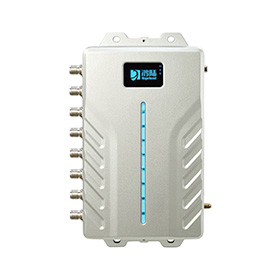
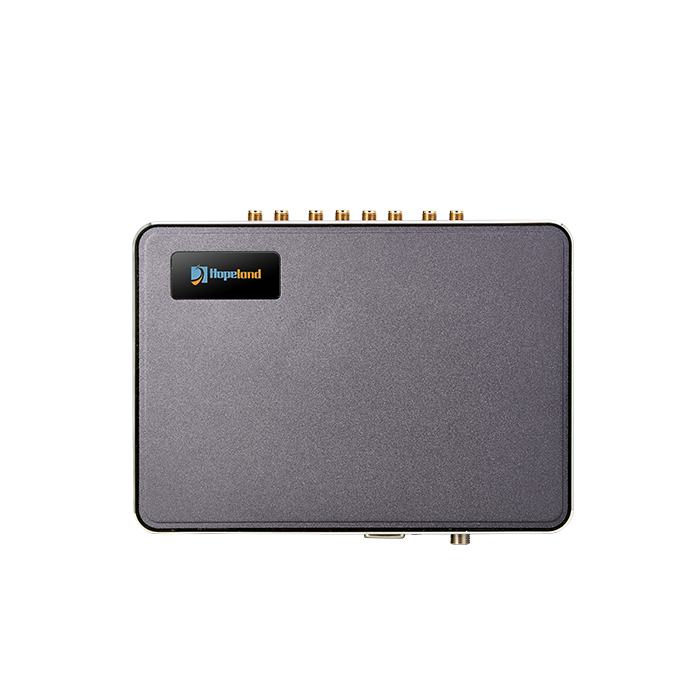
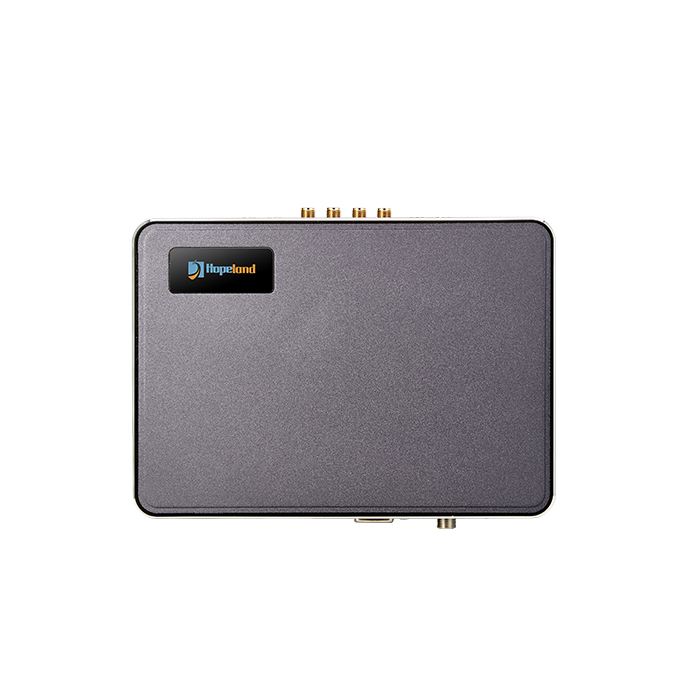
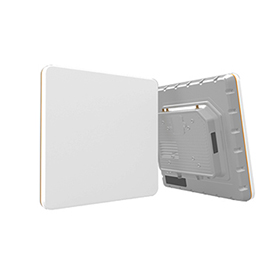
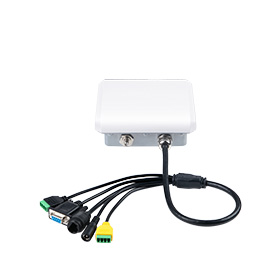

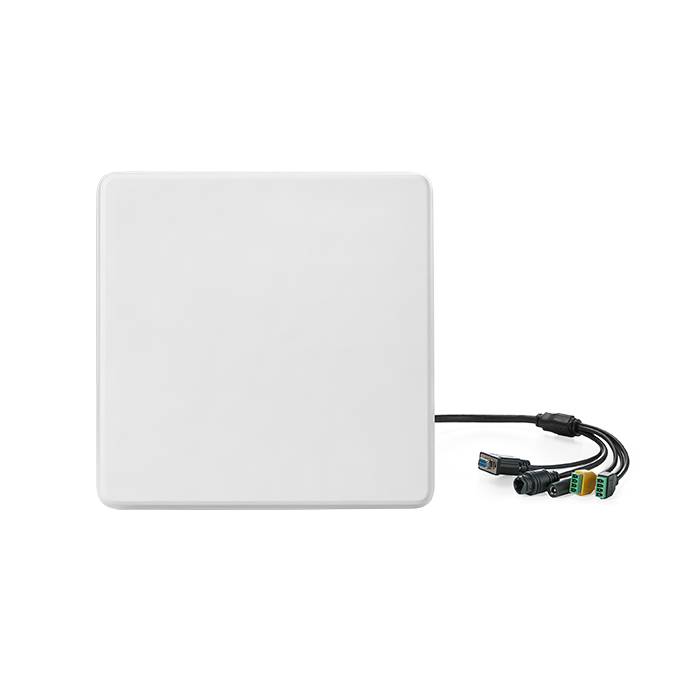

















PD03
Module Interface Board
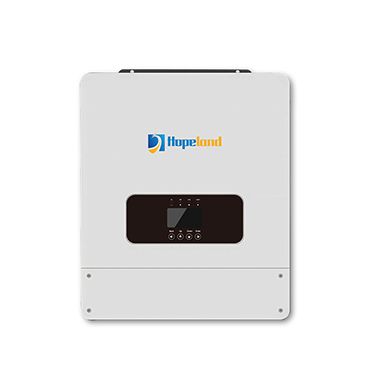
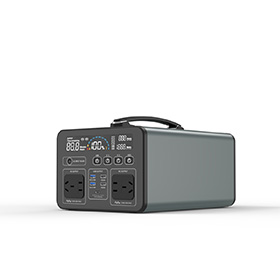
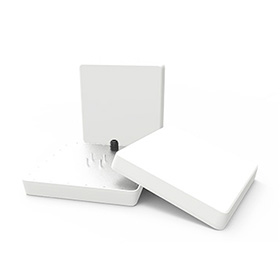
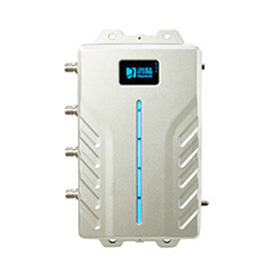
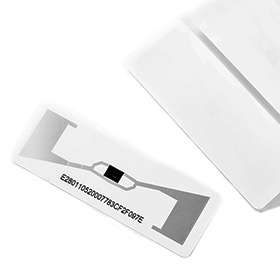
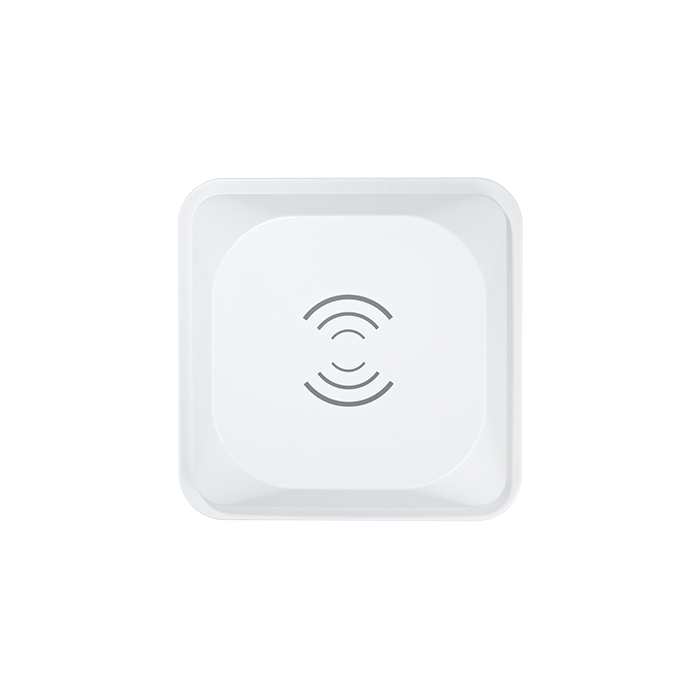
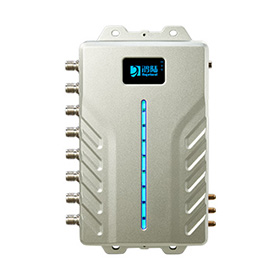
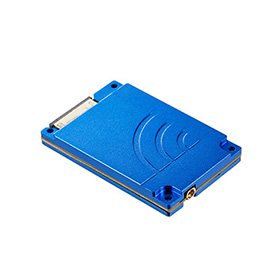
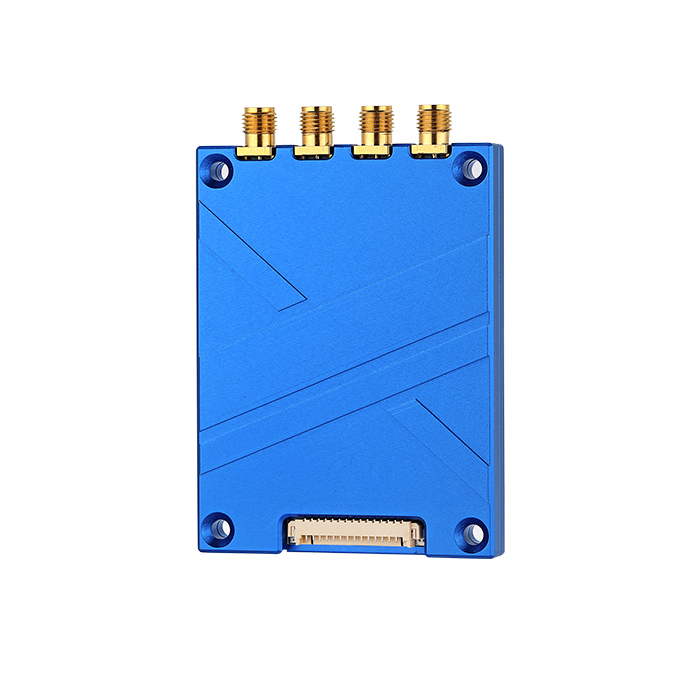
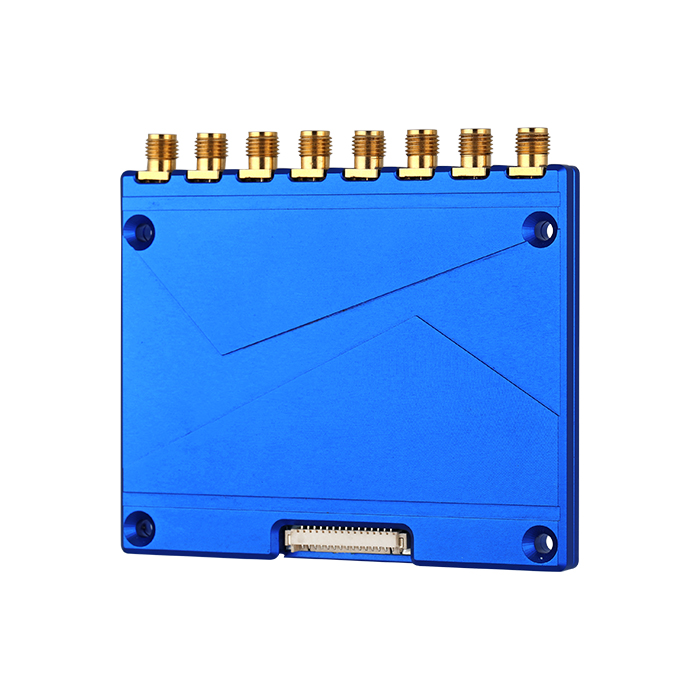
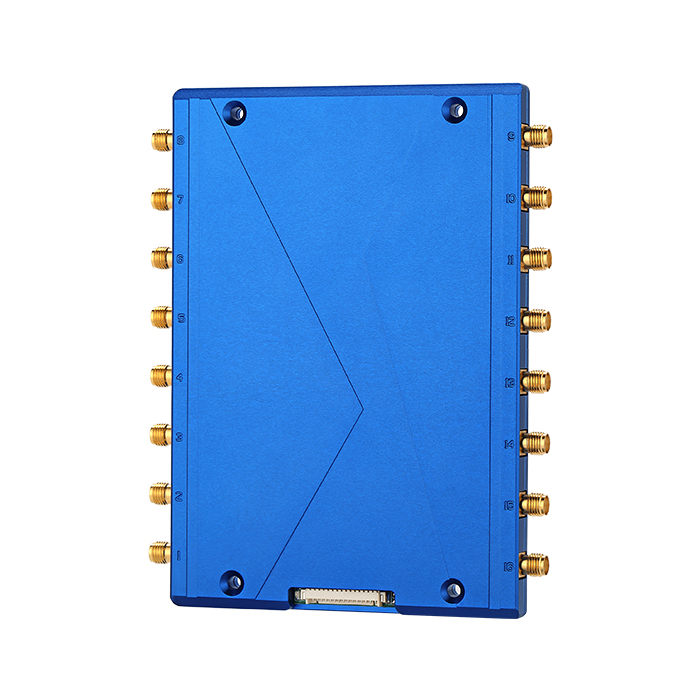
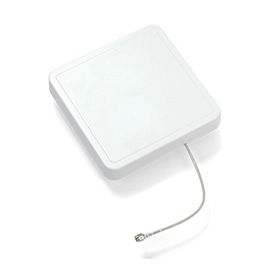
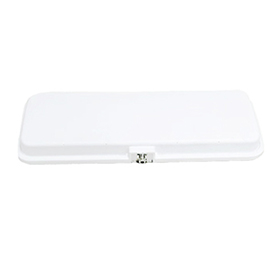
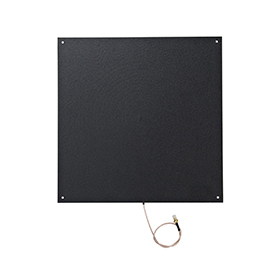
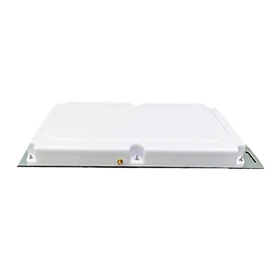
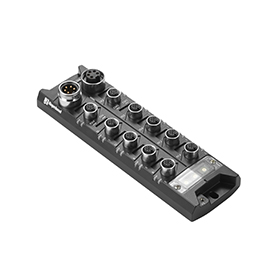
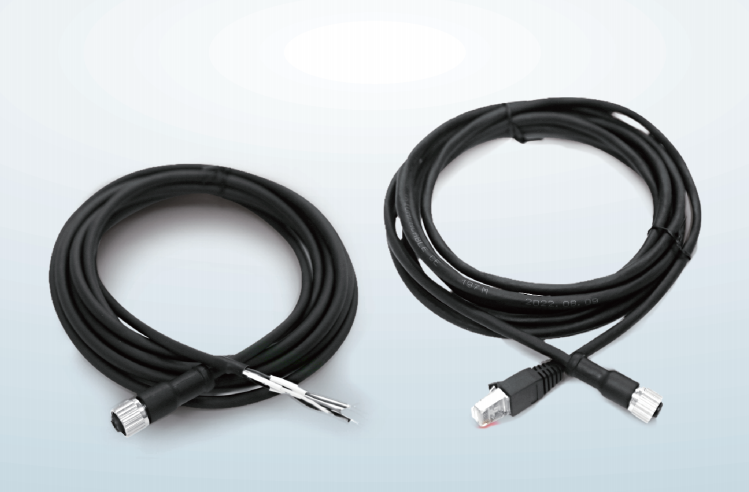
PD03 interface board is an RFID radio frequency module supporting product, compatible with various wiring Hopeland RFID modules.
 /
/ 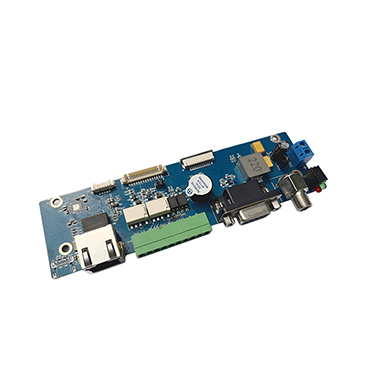
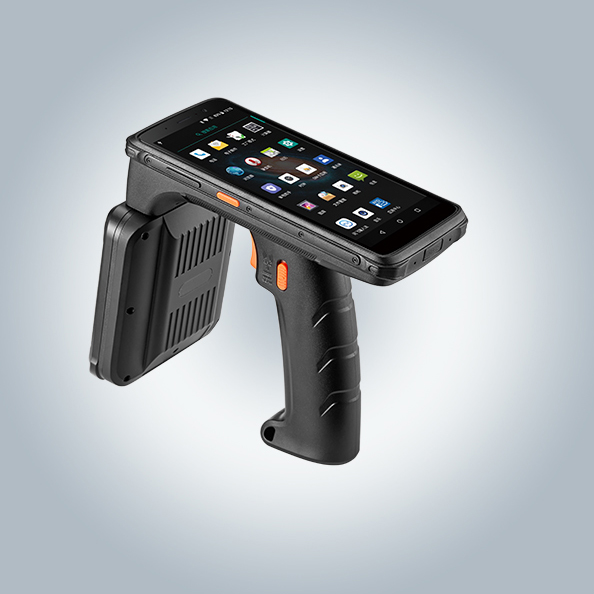
Module Interface Board PD03
Features
-
 Various Communication Interface: RS232, RJ-45,USB2.0,RS485
 -
 IO interface:2 IO inputs(5~24V), 2 relay outputs
 -
 Power Supply: 9V~30V
 -
 Working Power Consumption:13W@30dBm,20W @35dBm
Highlights
PD03 interface board is an RFID radio frequency module supporting product, compatible with various wiring Hopeland RFID modules.
PD03 interface board is an RFID radio frequency module supporting product, compatible with various wiring Hopeland RFID modules.
Specifications
-
Performance Parameters
Network Interface Communication Rate 10M/100M adaptive RS232 Serial Communication Rate 115200bps (default) Operation Temperature -20 ± 3°C (reading tags) -
Main functions
Communication Interface Support RS232, RJ-45,USB2.0 (Need to be
customized),RS485 (Need to be customized)IO Interface 2 IO inputs(5~24V), 2 relay outputs Power Supply 9V~30V Working Power Consumption 13W@30dBm, 20W@35dBm
Applications
Warehousing & Logistics
Smart Warehousing
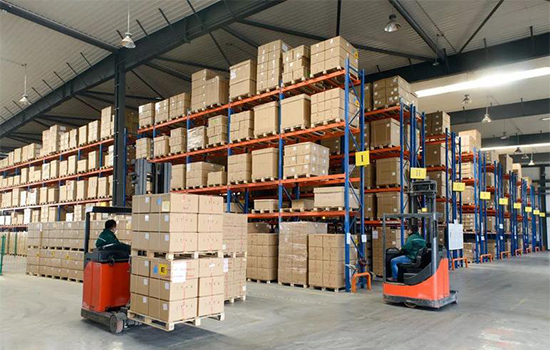
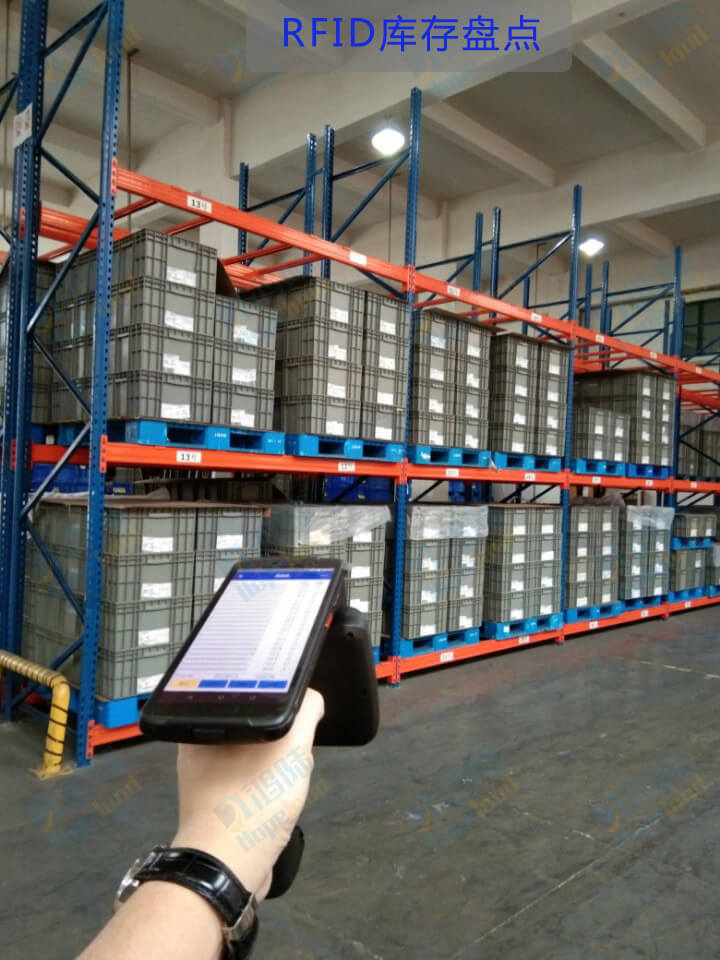
Modern warehouse storage is not only to complete the simple batch processing of goods in and out, but also to make clear database records of the types, quantities, production attributes, stacking positions and other information of goods in the warehouse. In order to obtain accurate product data and supply chain information at all stages of the logistics chain.
At present, the one-dimensional barcode/two-dimensional barcode identification technology has been widely used in the management of item classification and labeling. However, its barcode technology relies on visible light scanning reflection, has low recognition rate, is easy to break, contaminates, is sensitive to media such as water and oil, and stores a limited amount of information, which affects its application in large-scale logistics management.
RFID radio frequency identification technology is a typical representative of automatic identification technology. It has high recognition accuracy, reliable performance, large amount of stored information, resistance to oil and sewage washing, etc. It is especially suitable for automatic identification requirements in industrial environments. The use of RFID tags to replace barcodes and other identification products can effectively complete the automatic management of warehousing and realize automatic collection, automatic processing and information reporting of product information.
At present, the one-dimensional barcode/two-dimensional barcode identification technology has been widely used in the management of item classification and labeling. However, its barcode technology relies on visible light scanning reflection, has low recognition rate, is easy to break, contaminates, is sensitive to media such as water and oil, and stores a limited amount of information, which affects its application in large-scale logistics management.
RFID radio frequency identification technology is a typical representative of automatic identification technology. It has high recognition accuracy, reliable performance, large amount of stored information, resistance to oil and sewage washing, etc. It is especially suitable for automatic identification requirements in industrial environments. The use of RFID tags to replace barcodes and other identification products can effectively complete the automatic management of warehousing and realize automatic collection, automatic processing and information reporting of product information.
View Details
Asset Management
Bank Collateral Management
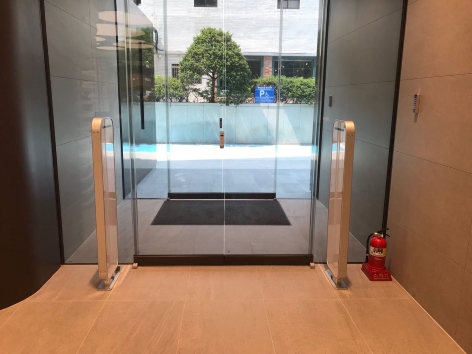
1. Using RFID technology, intelligent inventory cabinets and control programs, a timed inventory strategy can be formulated, and the system can automatically complete the inventory at a specified time without manual intervention; the inventory results are fed back in real time;
2. Support the remote and unannounced inspections of tier-2 branches by tier-1 branches, trigger remote monitoring at any time, and conduct physical inventory from time to time;
3. The physical inventory data is automatically synchronized with the accounting data of the accounting system to achieve automatic daily reconciliation to ensure that the accounts are consistent.
2. Support the remote and unannounced inspections of tier-2 branches by tier-1 branches, trigger remote monitoring at any time, and conduct physical inventory from time to time;
3. The physical inventory data is automatically synchronized with the accounting data of the accounting system to achieve automatic daily reconciliation to ensure that the accounts are consistent.
View Details
Smart Retail
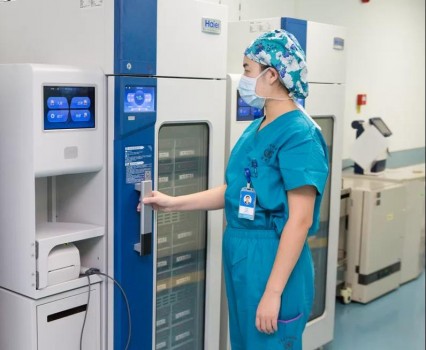
RFID Smart Refrigerator
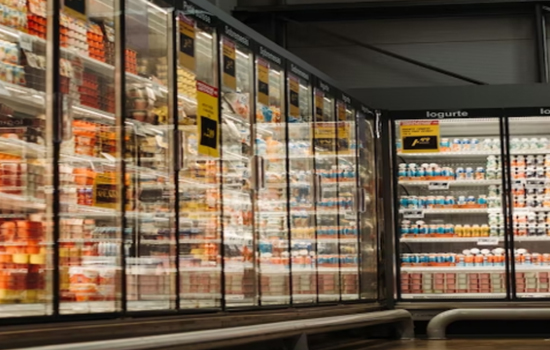
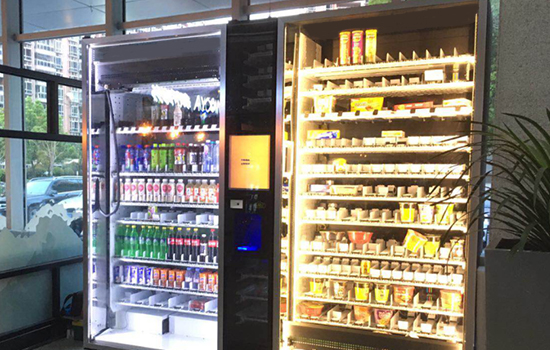
With the rising cost of human resources and the increasing demand for the ultimate shopping experience, consumers are more comfortable with access to food and beverages anytime and anywhere. This has led to the emergence of smart new retail methods such as unmanned convenience stores, smart refrigerators, and smart vending machines. Among them, unmanned vending machines are one of the most common ones in daily life.
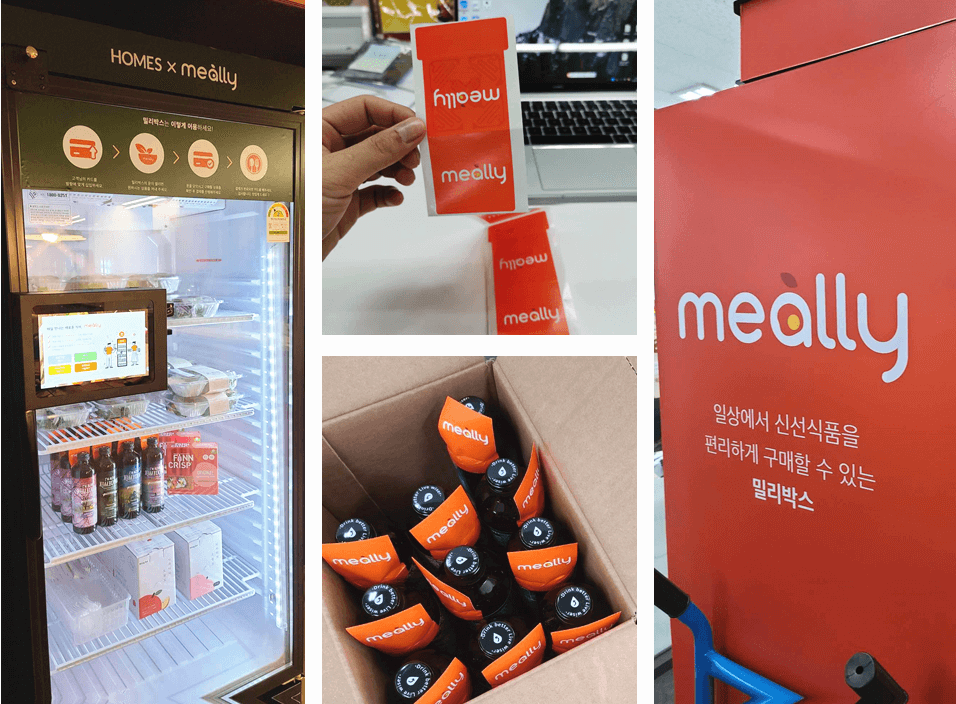
At same time, retail companies need to track all goods inventory status, improve operational efficiency, save labor cost and analysis customer's purchase trend to increase revenue. RFID technology can help them achieve it effortlessly. Nowadays, RFID technology is widely used in retail. The automatic retail fridge is built with RFID UHF hardware, so that retailers can track the goods status at any time. More importantly, smart RFID refrigerators enable buyer to finish purchase process alone and automatically.
At same time, retail companies need to track all goods inventory status, improve operational efficiency, save labor cost and analysis customer's purchase trend to increase revenue. RFID technology can help them achieve it effortlessly. Nowadays, RFID technology is widely used in retail. The automatic retail fridge is built with RFID UHF hardware, so that retailers can track the goods status at any time. More importantly, smart RFID refrigerators enable buyer to finish purchase process alone and automatically.
View Details
Smart Retail
Smart Retail Store
Pain points in traditional retail stores
Operating aspects:
The operating costs of common convenience stores continue to rise
The cost of rent
convenience stores and merchants are more and more concerned with the capital. But the store resources are relatively scarce, and the pressure on the rising cost of rent will continue to exist in the future.
Labor costs
The decline of the working age workforce increases the labor cost. The increase of convenience store staff mobility and the increase of personnel costs and management costs.
The cost of water and electricity
The relative area is larger and the water power consumption is more.
Consumer aspects:
Purchasing daily necessities is inconvenient and far away.
There is no 24-hour store in the evening, and difficult to meet any emergency.
Operating aspects:
The operating costs of common convenience stores continue to rise
The cost of rent
convenience stores and merchants are more and more concerned with the capital. But the store resources are relatively scarce, and the pressure on the rising cost of rent will continue to exist in the future.
Labor costs
The decline of the working age workforce increases the labor cost. The increase of convenience store staff mobility and the increase of personnel costs and management costs.
The cost of water and electricity
The relative area is larger and the water power consumption is more.
Consumer aspects:
Purchasing daily necessities is inconvenient and far away.
There is no 24-hour store in the evening, and difficult to meet any emergency.
View Details
Asset Management
Tool Management Solutions
Traditional tool management methods generally rely on non-automated, paper-based systems to record, track and manage; a few use barcodes to identify and manage assets; but the efficiency is extremely low, with the increase in the number of assets, extremely The earth has increased the burden of management personnel, a serious waste of human resources, and also increased the difficulty of tool management, often resulting in untimely data and high error rates. Often the inventory management is chaotic, and the inbound and outbound data is wrong. If it is left to exist on a large scale for a long time, it will bring great cost problems to the enterprise.
In terms of tool management application technology, traditional automatic identification technologies such as one-dimensional bar code/two-dimensional bar code have also been widely used in the management of item classification and labeling. However, the barcode technology itself relies on the visible light scanning reflection, the recognition rate is low, the barcode is easily damaged and stained, and the amount of stored information is small. Generally, it only identifies a certain type of product, which affects its wide application in logistics management.
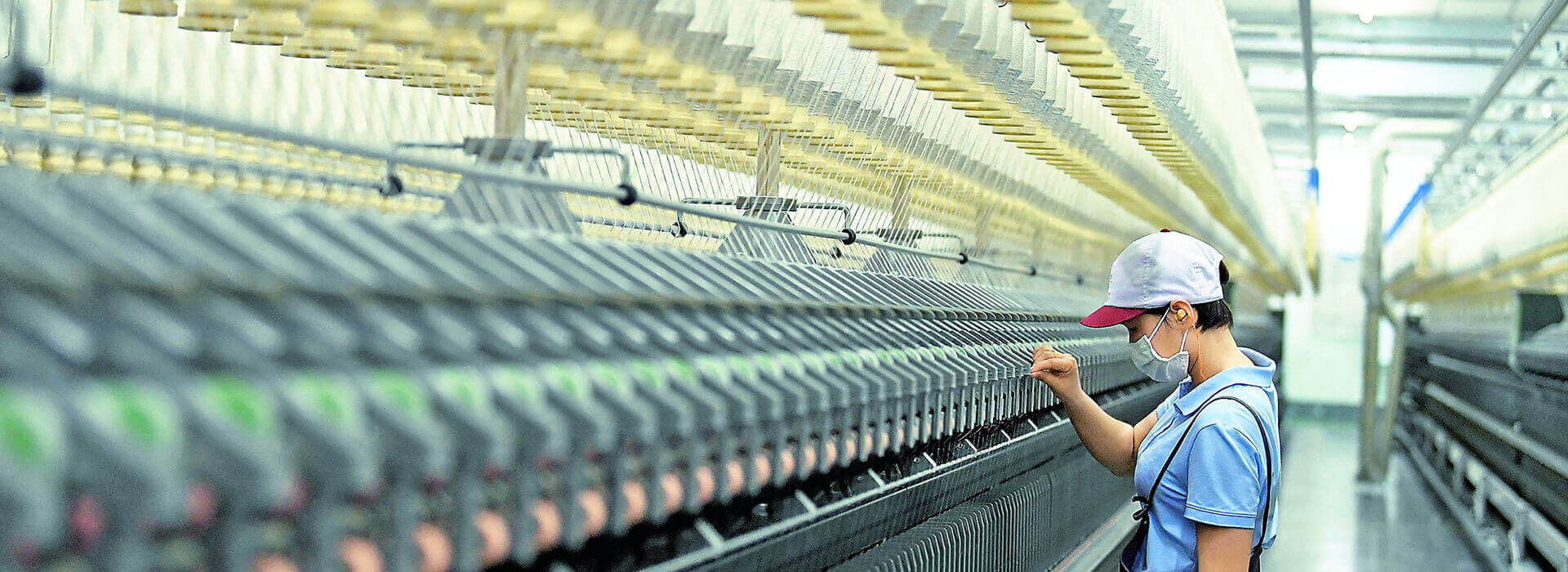
Compared with barcode technology, RFID radio frequency identification technology is a typical representative of non-contact long-distance automatic identification technology. RFID technology has high recognition accuracy, reliable performance, large amount of stored information, and oil and sewage resistance, especially suitable for automatic identification requirements in harsh working environments. The use of RFID tags to replace barcodes and other identified goods can effectively complete the automatic management of assets, and realize the automatic collection, automatic processing and report output of asset information.
In terms of tool management application technology, traditional automatic identification technologies such as one-dimensional bar code/two-dimensional bar code have also been widely used in the management of item classification and labeling. However, the barcode technology itself relies on the visible light scanning reflection, the recognition rate is low, the barcode is easily damaged and stained, and the amount of stored information is small. Generally, it only identifies a certain type of product, which affects its wide application in logistics management.
Compared with barcode technology, RFID radio frequency identification technology is a typical representative of non-contact long-distance automatic identification technology. RFID technology has high recognition accuracy, reliable performance, large amount of stored information, and oil and sewage resistance, especially suitable for automatic identification requirements in harsh working environments. The use of RFID tags to replace barcodes and other identified goods can effectively complete the automatic management of assets, and realize the automatic collection, automatic processing and report output of asset information.
View Details
Send A Message
Related Products
-
HZ5101-port UHF RFID ModuleHZ510 module is a miniaturized UHF RFID reading and writing module. The core component adopts R2000 as the core platform. R2000 is a high-performance and highly integrated reader and writer IC, which integrates the functions of analog RF front-end and baseband digital signal processing module.Details
-
HZ5404-port UHF RFID ModuleHZ540 module is a miniaturized UHF RFID reader. The core components of the core platform adopts R2000 which is a high-performance highly integrated reader IC and integrated with analog RF front-end and baseband digital signal processing modules etc.Details
-
HZ5808-port UHF RFID ModuleHZ580 UHF RFID module provides a wide power supply range (dc4.5v ~ 6V). This RFID reader module is configured GPIO interface (IO1-IO4, IO1 / IO2 as input and IO3 / IO4 as output). Its frequency range is from 840MHz to 960MHz. Users can easily communicate with their own equipment through UART-TTL pin on the interface of HZ580 UHF RFID module.Details
-
HZ53016-Port UHF RFID ModuleHZ530 16-Port UHF RFID Module is specialized module for developing 16-port fixed RFID reader and Smart RFID cabinet system. Based on Impinj R2000 chip platform, with 16 channels of SMA interfaces for RFID antennas, it support multiple-tag and long range reading.Details


