




































 Industry Events
 Company News
 Blog
In the context of new energy vehicle (NEV) manufacturing, production lines are characterized by high throughput, flexible mixed-model assembly, and a complex array of components. Any misinstallation or batch mix-up can lead to prohibitively expensive product recalls. RFID technology functions like an electronic ID card for components, workstations, and entire vehicles, establishing an invisible data chain that enables automated identification and data collection. This ensures zero-error assembly and full-lifecycle traceability. Given the demanding nature of NEV production—featuring flexible mixed-model lines, high-speed throughput, comprehensive traceability, and complex operating conditions—traditional manual verification and barcode-based identification are prone to errors. Consequently, RFID has become a standard feature on these production lines.
To understand why RFID is becoming increasingly vital in the NEV sector, one must first consider the specific manufacturing characteristics of the industry:
1. Flexibility: Production lines accommodate multiple vehicle models, involving a vast variety of components and frequent changeovers—scenarios where manual verification is highly susceptible to error.
2. High Throughput: Production lines operate at extremely high speeds, requiring identification response times measured in milliseconds.
3. Robust Traceability: From individual battery cells to the finished vehicle, a full-lifecycle data chain is essential for meeting quality standards and regulatory compliance.
4. Harsh Environments: The presence of dense metal components, oil contamination, high temperatures, and vibration places rigorous demands on equipment reliability.
Given these characteristics, RFID has evolved from an "optional tool" into a "standard feature" on production lines. Within the new energy vehicle (NEV) industry chain, its primary applications are reflected in the following areas:
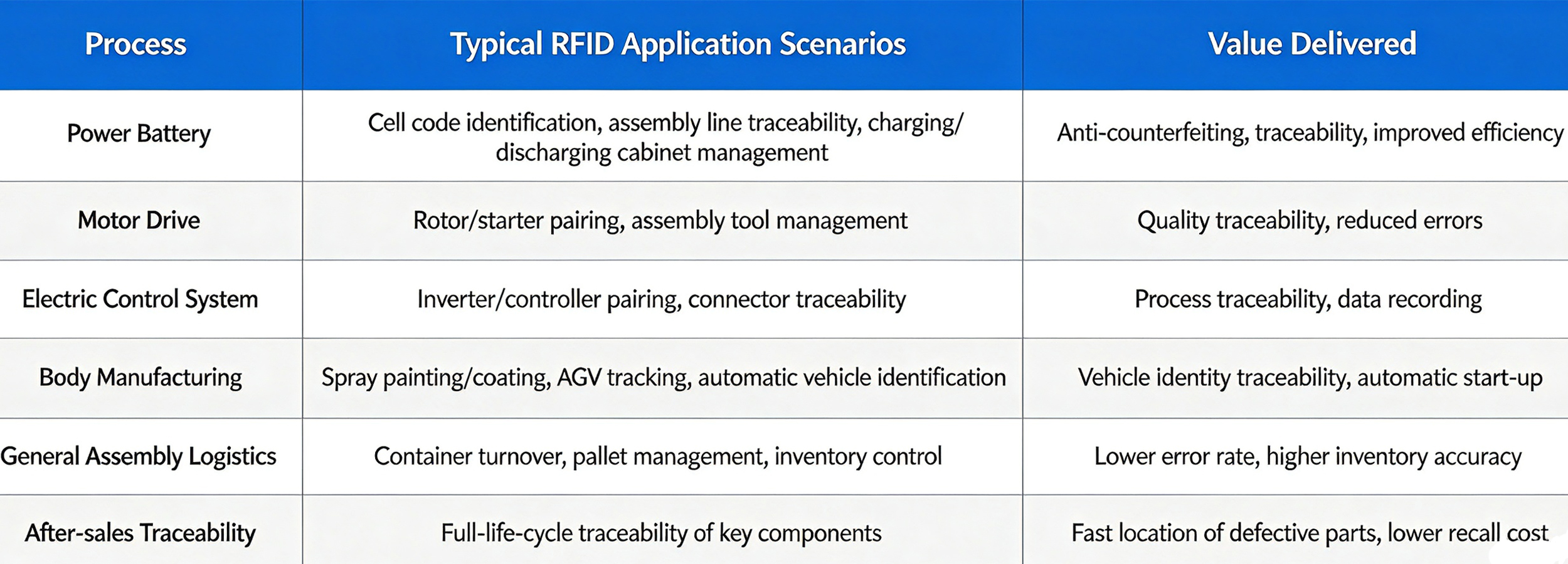
How is RFID implemented across the various stages of a production workshop?
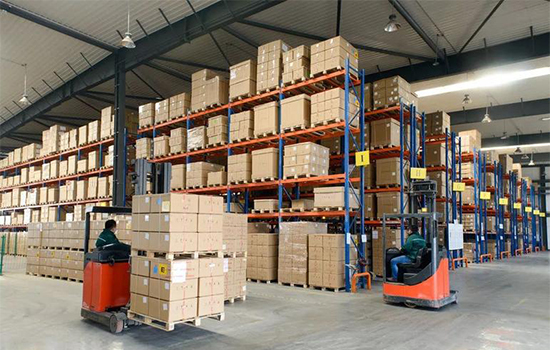
Scenario 1: Power Battery Production Line – Pallet and Carrier Identification
Battery cell pallets circulate repeatedly through the formation, capacity grading, and module assembly stages. Manual barcode scanning is inefficient and prone to missed reads, while the accidental mixing of pallets can lead to batch confusion. The solution involves attaching anti-metal UHF tags to the bottom of each pallet and deploying fixed RFID readers at workstations. This enables automatic identification of pallet IDs and their association with specific battery cell batches. As a result, the identification rate has increased from approximately 95% to over 99.9%, workstation cycle time has improved by 15%–20%, and full traceability of battery cells—from initial entry to final pack assembly—is now ensured.
Scenario 2: Electric Motor Assembly Line – Component Traceability and Error-Proofing
Electric motors consist of multiple components, such as rotors, stators, housings, and bearings; installing the wrong part can necessitate the reworking of an entire batch. By attaching UHF tags to critical components, workstation readers can automatically verify whether the "current workstation + vehicle model + part" combination is correct. This reduces assembly errors by over 90% and allows assembly data to be automatically written into the Manufacturing Execution System (MES), eliminating the need for manual data entry.
Scenario 3: Vehicle Final Assembly – AVI (Automatic Vehicle Identification)
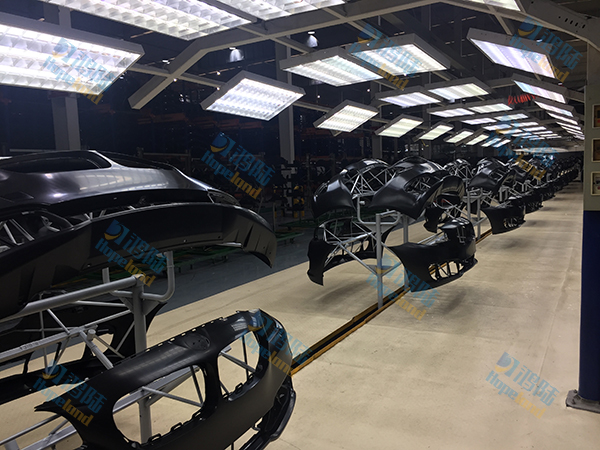
In the paint shop, traditional barcodes are easily obscured by paint or worn away, making it impossible for final assembly stations to identify a vehicle. By attaching high-temperature-resistant, anti-metal tags to vehicle skids or carriers, the vehicle’s VIN can be automatically tracked from the welding shop through to final assembly. This ensures 100% continuity in vehicle identification, allows for the automatic distribution of process parameters, and facilitates flexible, mixed-model production.
Scenario 4: Sequenced Logistics and Supply of Components
Apply labels to returnable containers and material racks to enable real-time material tracking. Ensure stable Just-in-Time (JIT) supply, minimize material shortages and picking errors, and prevent production line stoppages.
Scenario 5: Asset Management for Tooling and Carriers
Attach labels to jigs, fixtures, and carriers to track their usage and storage status in real time. Facilitate dynamic inventory management to reduce loss and improve asset utilization.
Scenario 6: After-Sales Quality Traceability
Link the IDs of critical components to the vehicle’s VIN. In the event of an issue, instantly identify the affected batches to enable precise recall management and reduce recall-related costs.
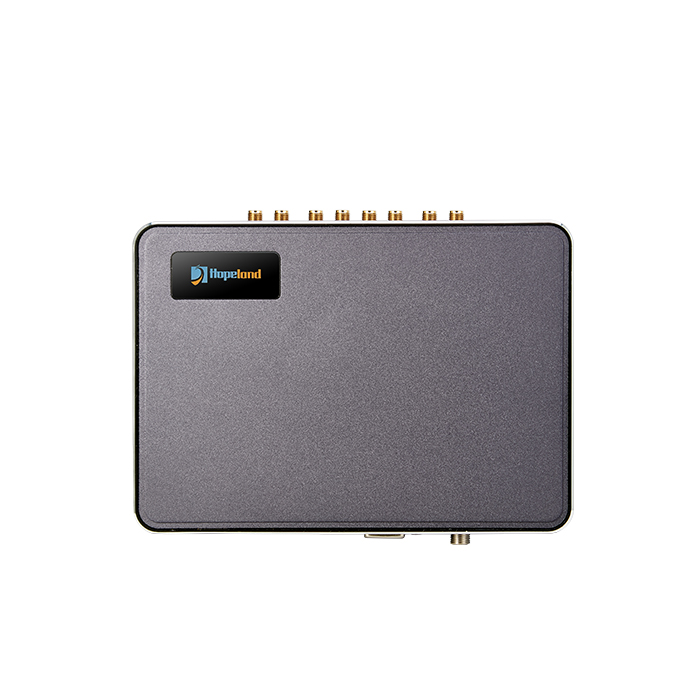
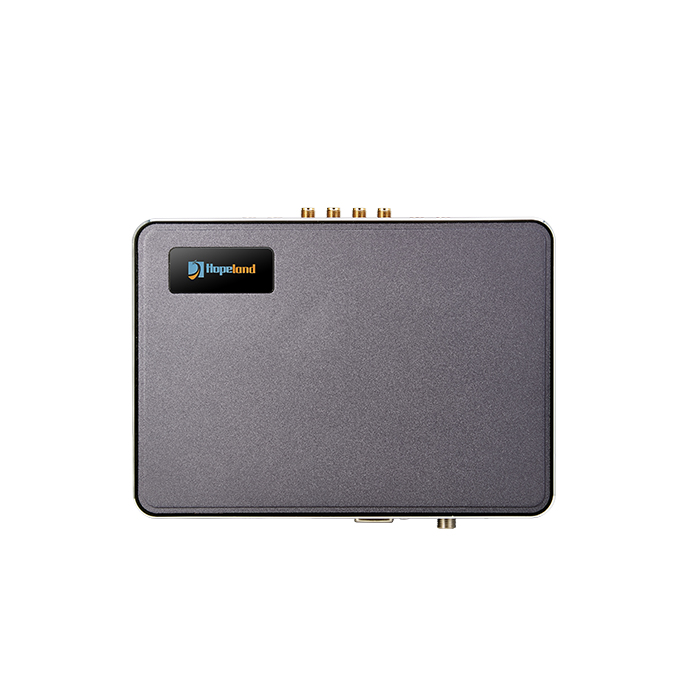
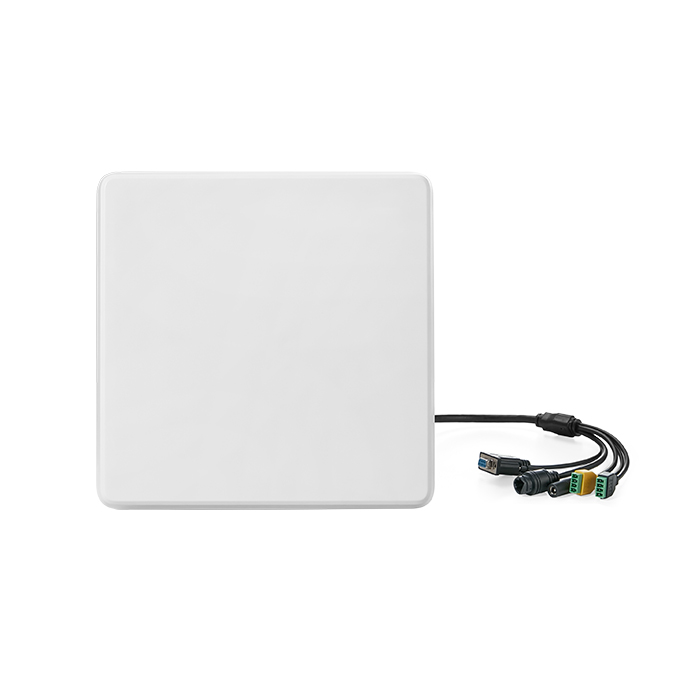
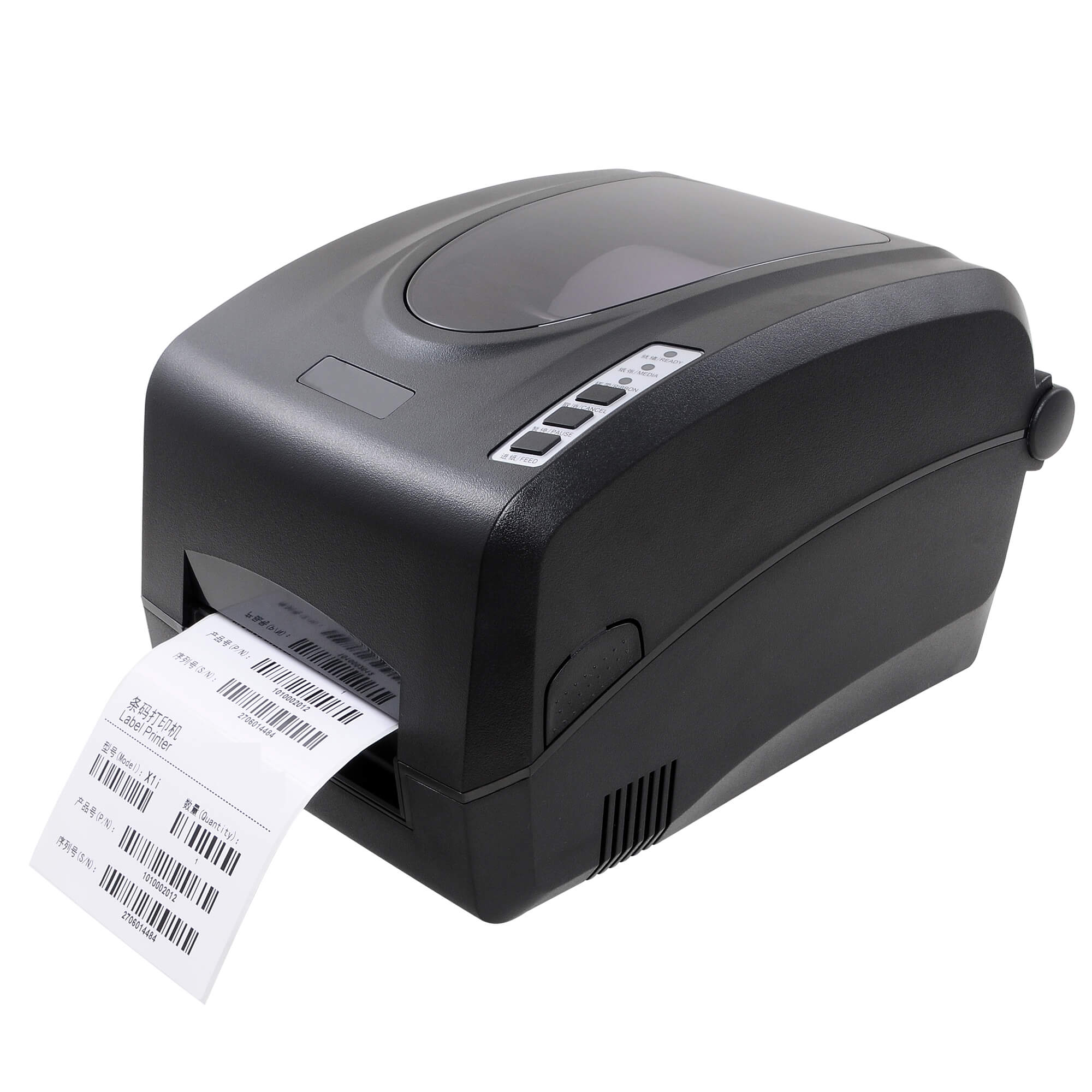
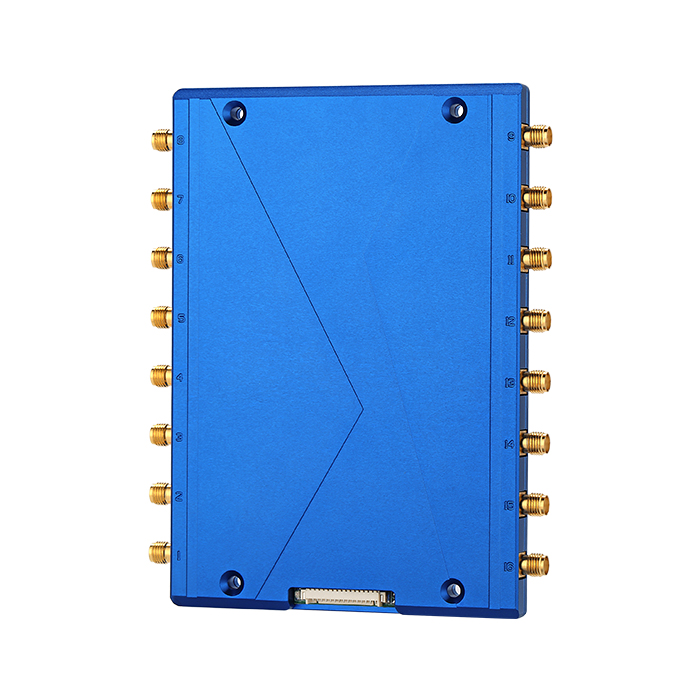
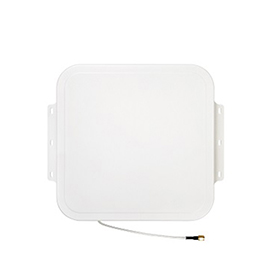
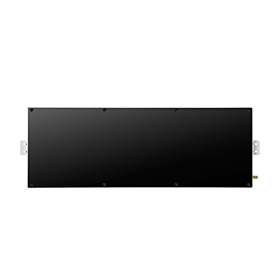
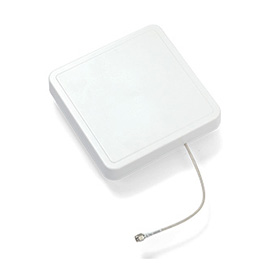
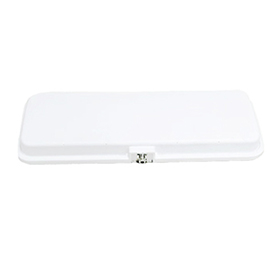
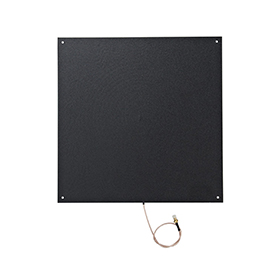
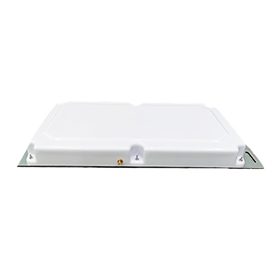
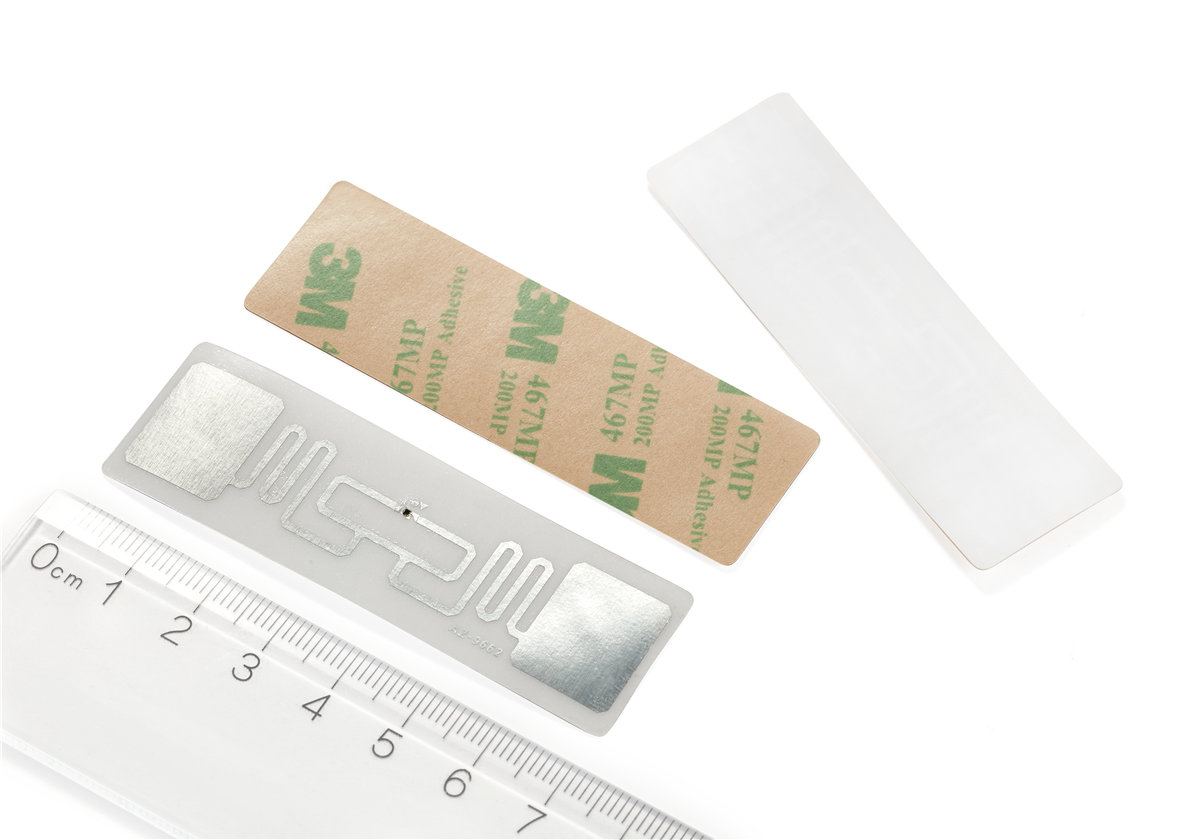
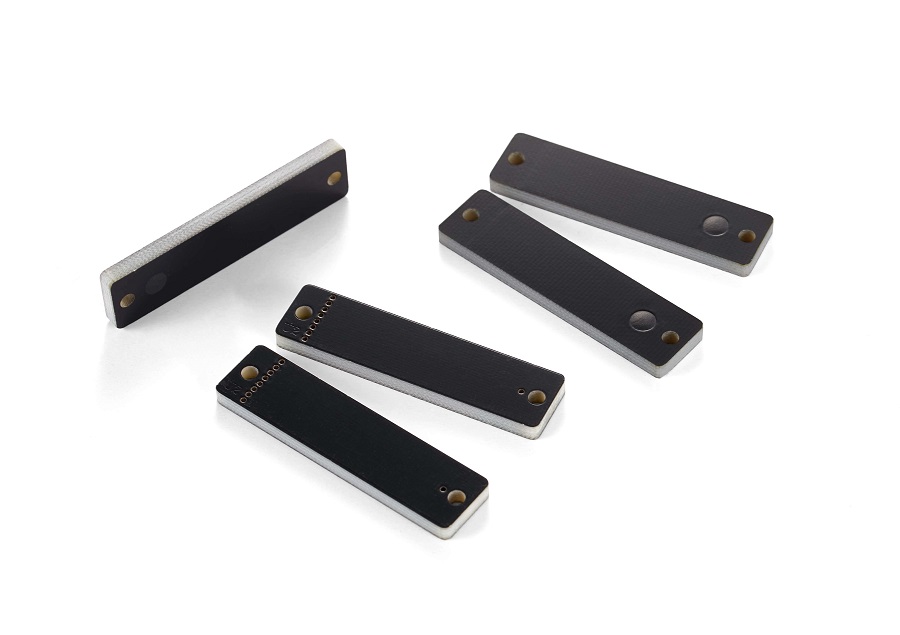
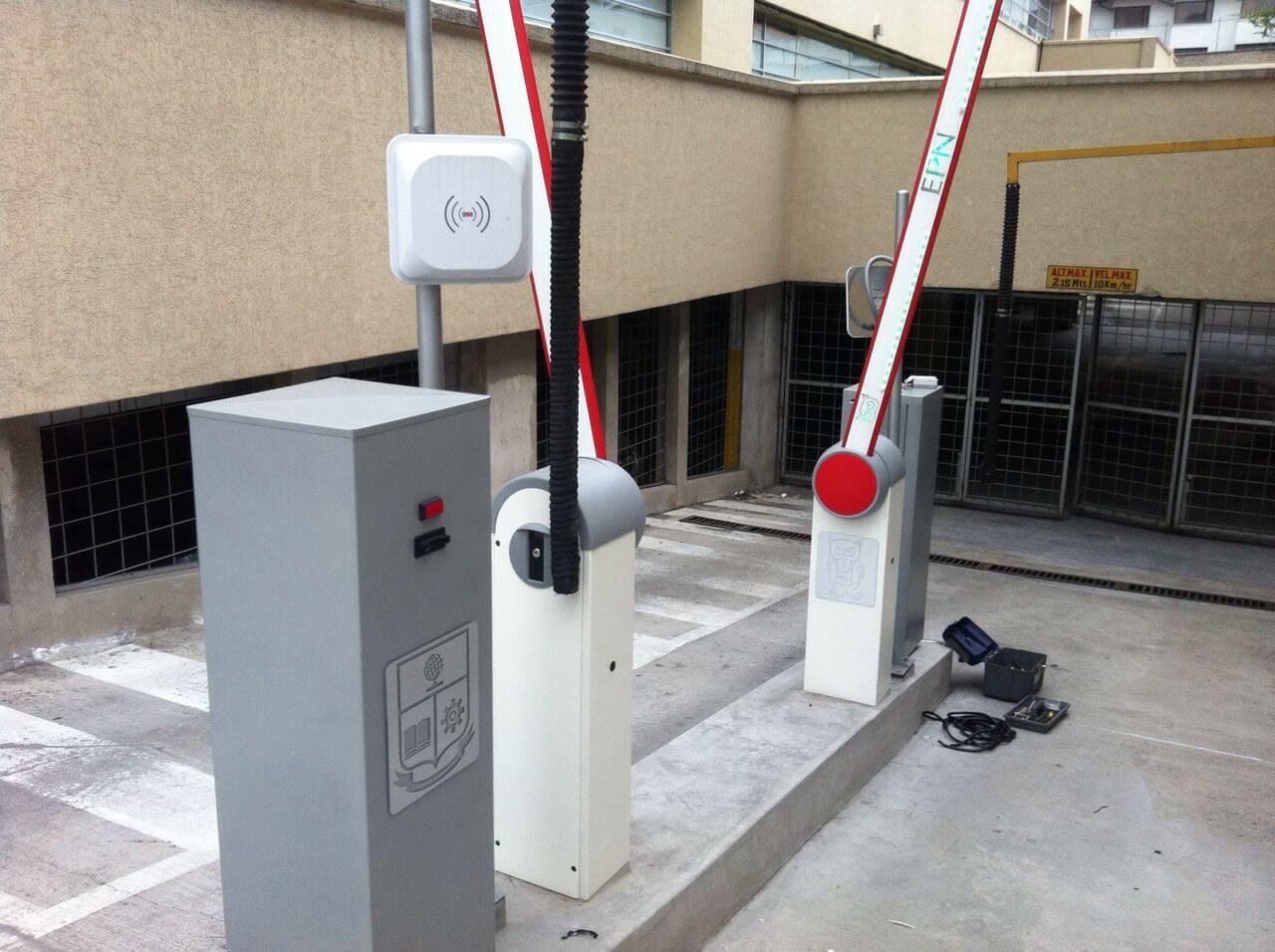
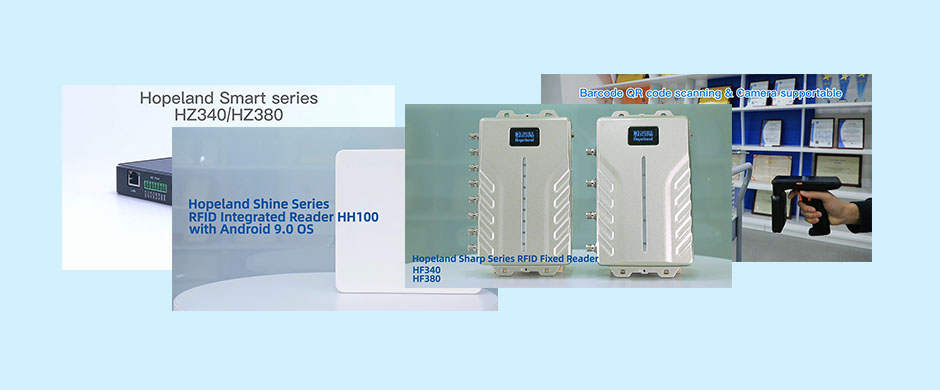
At every critical stage, the placement of tags and the installation of RFID antennas and readers are of paramount importance, placing exceptionally high demands on the reading equipment. Hopeland’s flagship products—the HF340 Fixed RFID Reader, HL7205G Antenna, and the CL7203E-8020 On-metal Tag—are frequently requested by clients and have been widely deployed across numerous smart inventory management projects.
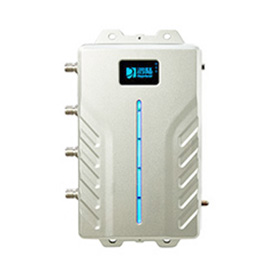
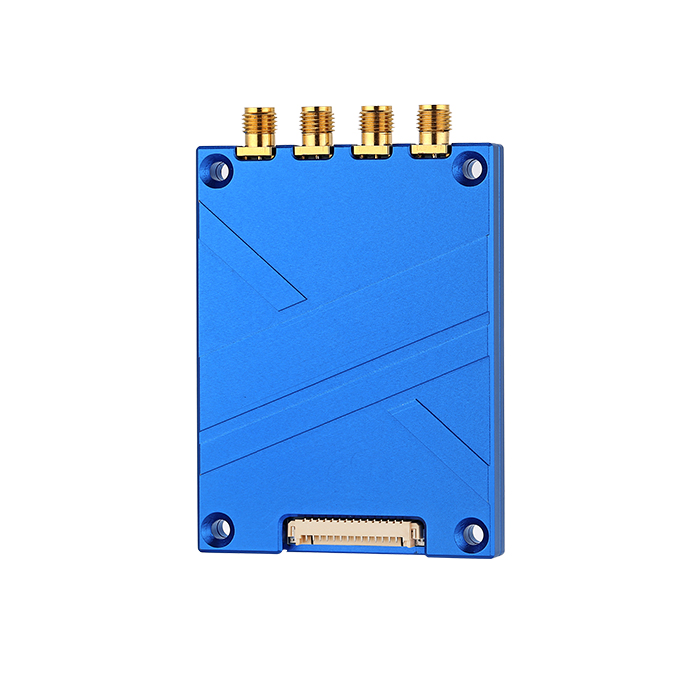
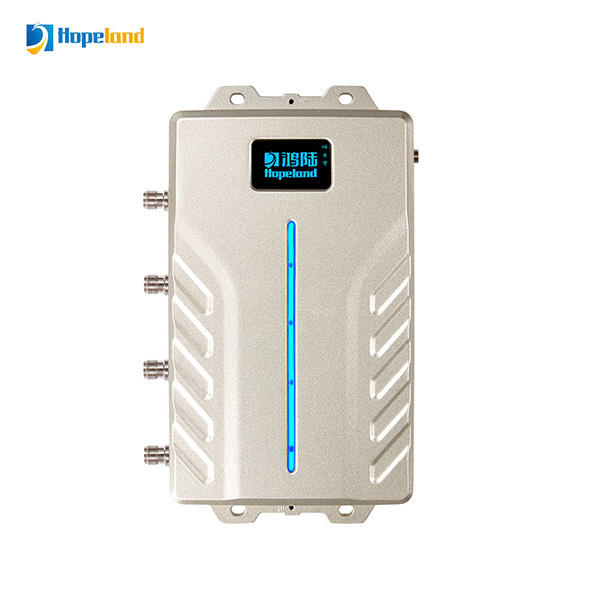 4-Ports UHF RFID Fixed Reader HF340
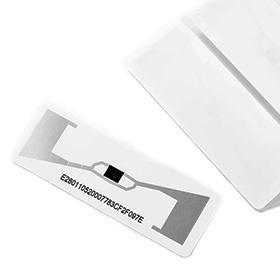
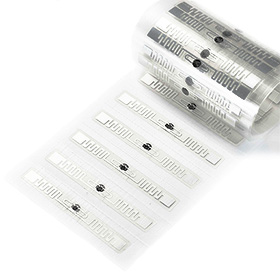
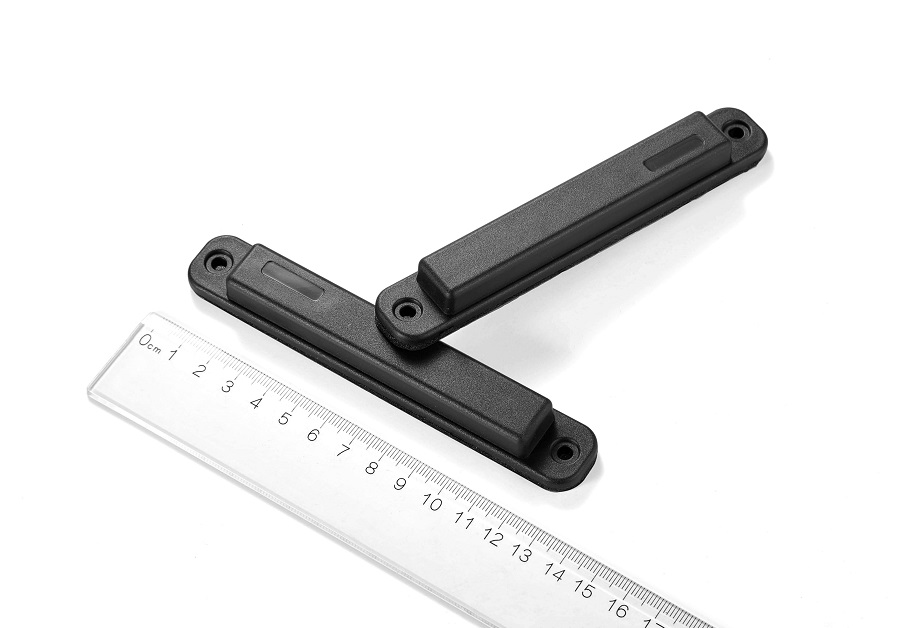
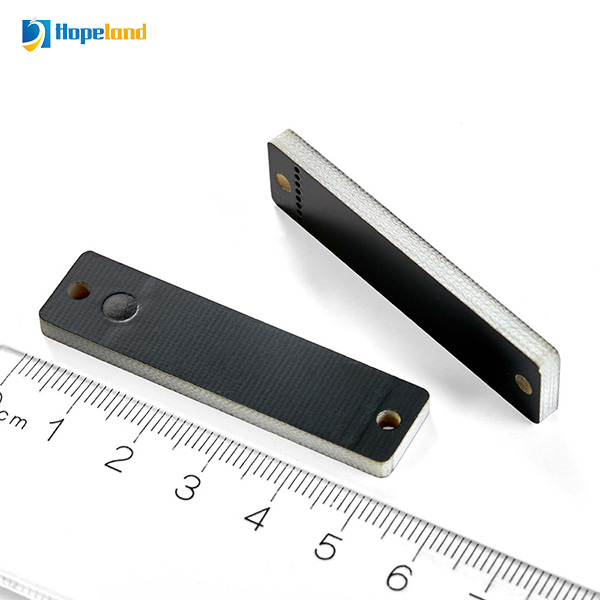 UHF RFID PCB On-metal Tag
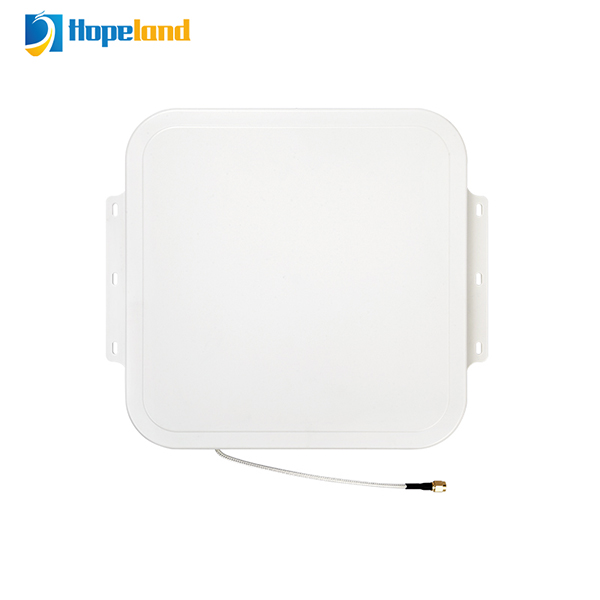 HL7205G 9dBi Circular UHF RFID Antenna
 Prev


